


What Makes an Appliance Energy Efficient?
An energy-efficient appliance is designed to use less energy while delivering the performance you need. Its efficiency can be influenced by factors such as its energy rating, energy consumption, and the technology used to operate it.
Features such as efficient heating systems, good insulation and eco programmes can help reduce the amount of energy an appliance uses.
Understanding the Energy Efficiency Label
What Does the Energy Label Tell Me?
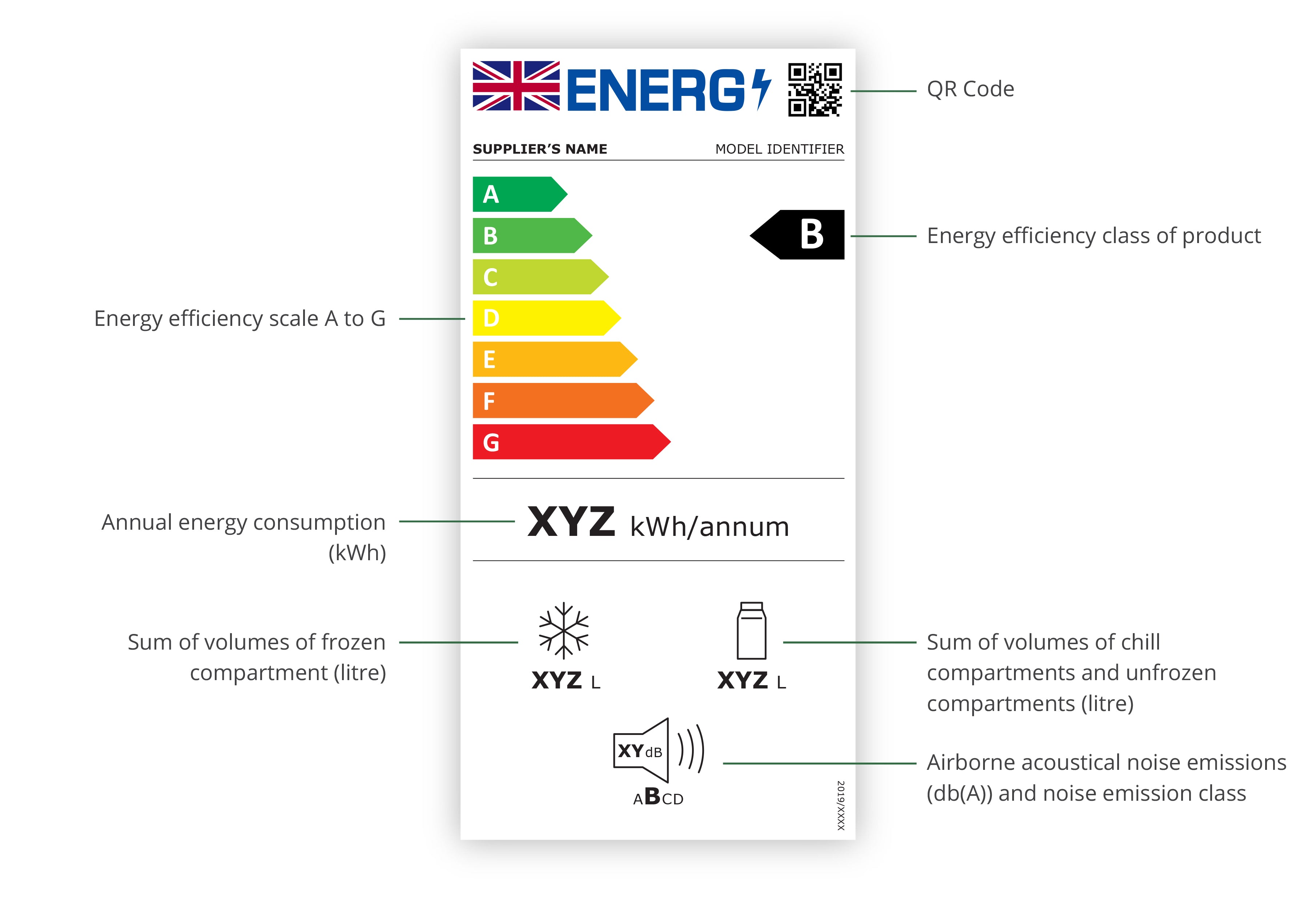
Energy labels help you compare the efficiency and energy consumption of household appliances. Depending on the type of appliance, the label can show information such as its energy efficiency rating, energy consumption, water consumption, and other relevant performance information.
What Do A-G Energy Ratings Mean?
Energy efficiency labels use a scale from A to G, with A representing the highest energy efficiency and G the lowest. The rating makes it easier to compare the energy efficiency of appliances within the same category.
The rating is based on how efficiently an appliance uses energy, but it doesn't tell you exactly how much electricity it will use. For a more accurate comparison, check the energy consumption figure in kilowatt-hours (kWh) on the label as well.
What Happened to A+++ Energy Ratings?
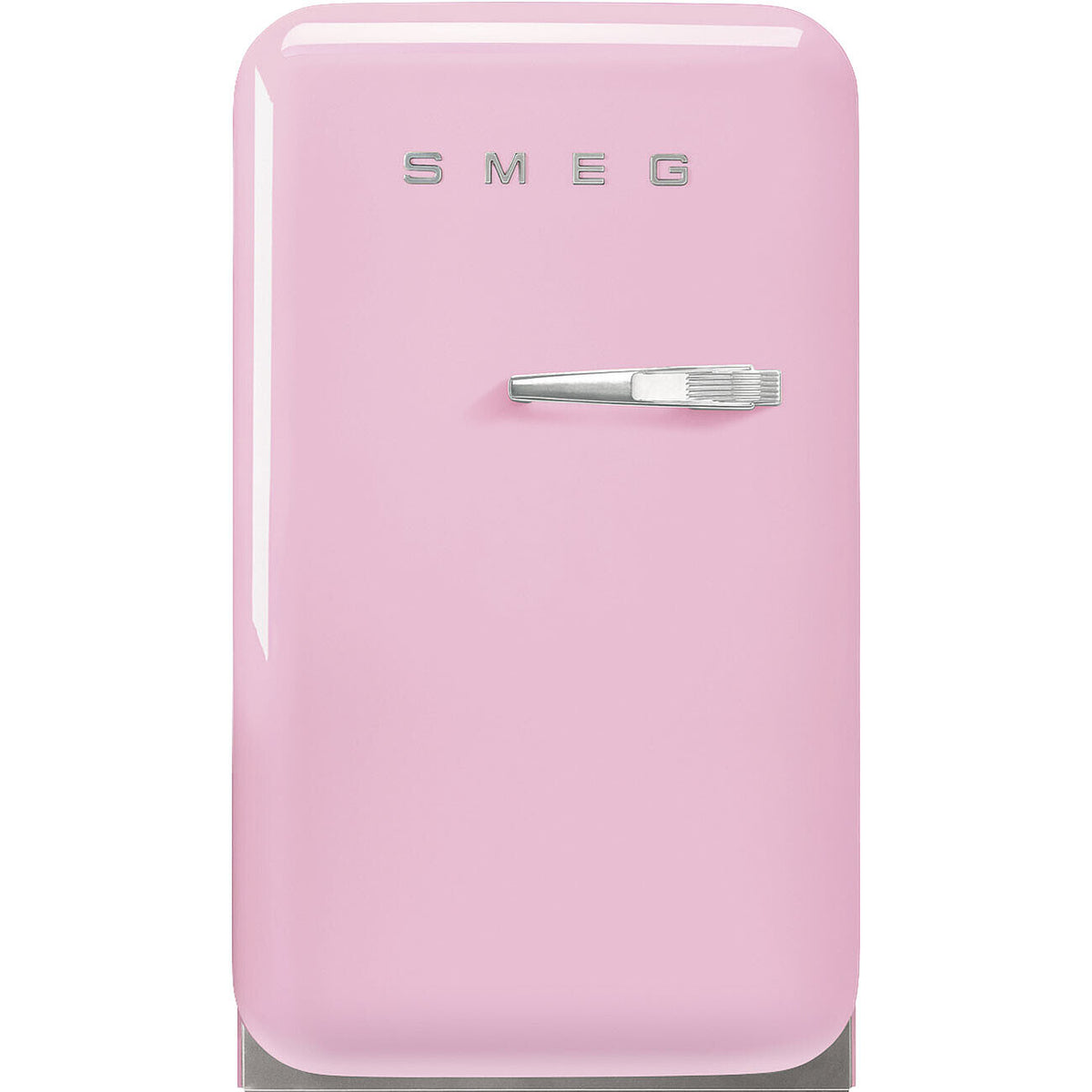
You may notice that some appliances now have a lower energy rating than they did previously. This doesn't necessarily mean that the appliance has become less efficient. Energy labels for several appliance categories were rescaled to the simpler A-G system, with the aim of leaving room for future improvements in efficiency. For example, a Smeg FAB28 fridge that was previously rated A+++ is now rated D under the newer scale, despite the appliance itself being just as efficient as before.
Which Appliances Have an Energy Label?
Energy labels are used for a range of household appliances, including ovens, hoods, cookers, fridges and freezers, wine coolers, dishwashers, washing machines and washer-dryers. The specific information shown on the label varies depending on the type of appliance. Some appliances, including microwaves and kettles, do not currently have energy labels.
If you're comparing a Smeg appliance, its energy label and relevant energy consumption information can also be found on the product page.
Which Kitchen Appliances Use the Most Energy?
The amount of energy an appliance uses depends on its type, size, efficiency and how frequently it is used. Appliances that heat, cool, or dry tend to require more energy than those performing simpler tasks, while appliances such as fridge-freezers can consume energy continuously to maintain their temperature.
When looking at your kitchen as a whole, consider both how much energy an appliance uses and how often it operates. An appliance with relatively low consumption per cycle can still contribute significantly to household energy use if it is used frequently.
How To Choose an Energy-Efficient Appliance
When comparing energy-efficient appliances, the energy rating is a useful starting point, but it isn't the only factor to consider. Looking at the appliance's energy consumption, size, capacity, and features can help you choose a model that suits both your household and how you use it.
Compare Energy Consumption
The A-G rating shows how an appliance compares with other models in the same category, but the energy consumption figure in kilowatt-hours (kWh) gives you a better indication of how much energy the appliance is expected to use. Check this figure when comparing different models.
Choose the Right Size
A larger appliance isn't necessarily the most efficient choice if you don't need the additional capacity. Choose a size that suits your household and how you use the appliance to avoid using more energy than necessary.
Look for Energy Saving Features
Features such as eco programmes, efficient heating technology, good insulation, and load or temperature sensors can help reduce energy consumption. The features that make the biggest difference will depend on the type of appliance you're choosing.
Consider How You Use It
Your usage can also affect how much energy an appliance consumes. Consider how frequently you'll use it, which programmes or settings you'll need, and whether features such as Eco modes could help reduce energy consumption during everyday use.
The Energy Label
What does the energy label tell me?
The energy label shows a broadly representative energy efficiency rating, as well as key environmental data depending on the type of product, like the average hourly energy consumption of an oven or the average water consumption per cycle of a dishwasher.
Across the industry, many products' energy ratings were recently rescaled downwards to encourage innovation. For example, a FAB28 fridge which was previously rated A+++ is now D-rated, but the appliance is still just as efficient as before. Read our blog post to find out more.
Which kitchen appliances have an energy label?
Ovens, Hoods, Cookers,Fridges and Freezers, Wine Coolers, Dishwashers,Washing Machines and Washer-Dryers are all supplied with energy labels. Energy labels for each of these appliances can also be viewed on the product pages of our website. Some appliances, such as microwaves and kettles, do not have energy labels.
Energy-Efficient Ovens
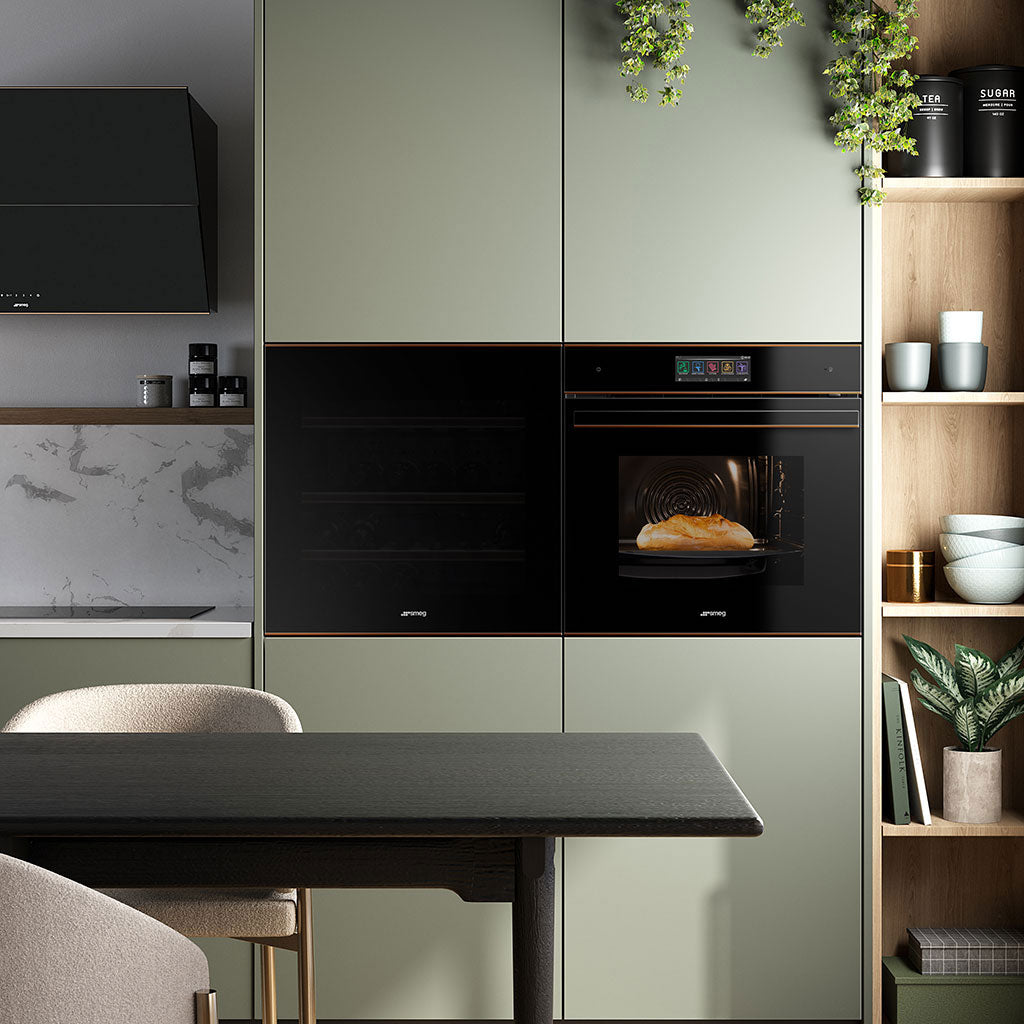
Most Smeg ovens are rated A+ for energy efficiency and include features designed to help reduce energy consumption during cooking. These include multi-glazed doors that help retain heat, ECO functions, and efficient cavity insulation, helping to reduce wasted energy while maintaining cooking performance.
Energy Saving Feature
Eco function
The ECO cooking function, available on all SMEG ovens & cookers, heats up fewer elements in the cavity, resulting in slower but more energy efficient heating that requires less electricity.
ECO Light
ECO-Light automatically turns off after a few seconds of illumination, reducing electricity use. ECO-Light can also be turned on manually if you want to check your food without opening the oven door. Available in selected SMEG ovens.
Viewing Window
Don’t waste energy by constantly opening your oven door. Instead, use an oven with a large viewing window, so you can check on your food easily. SMEG’s Dolce Stil Novo ovens with Eclipse Glass are a perfect choice.
Closed Door Grilling
Did you know that up to 50 % of heat is lost by grilling with the oven door open? With SMEG ovens & cookers, you can grill with the door closed, reducing energy consumption.
Multi Glazed Doors
The more layers your oven door has, the more heat is kept inside, and the less energy is wasted. Most SMEG ovens doors have 3 or 4 layers of thermally insulating glazing.
Fully Welded Cavity
SMEG's new Galileo range of ovens features a fully welded cavity that lets less air escape, and means that no rapid pre-heating is required.
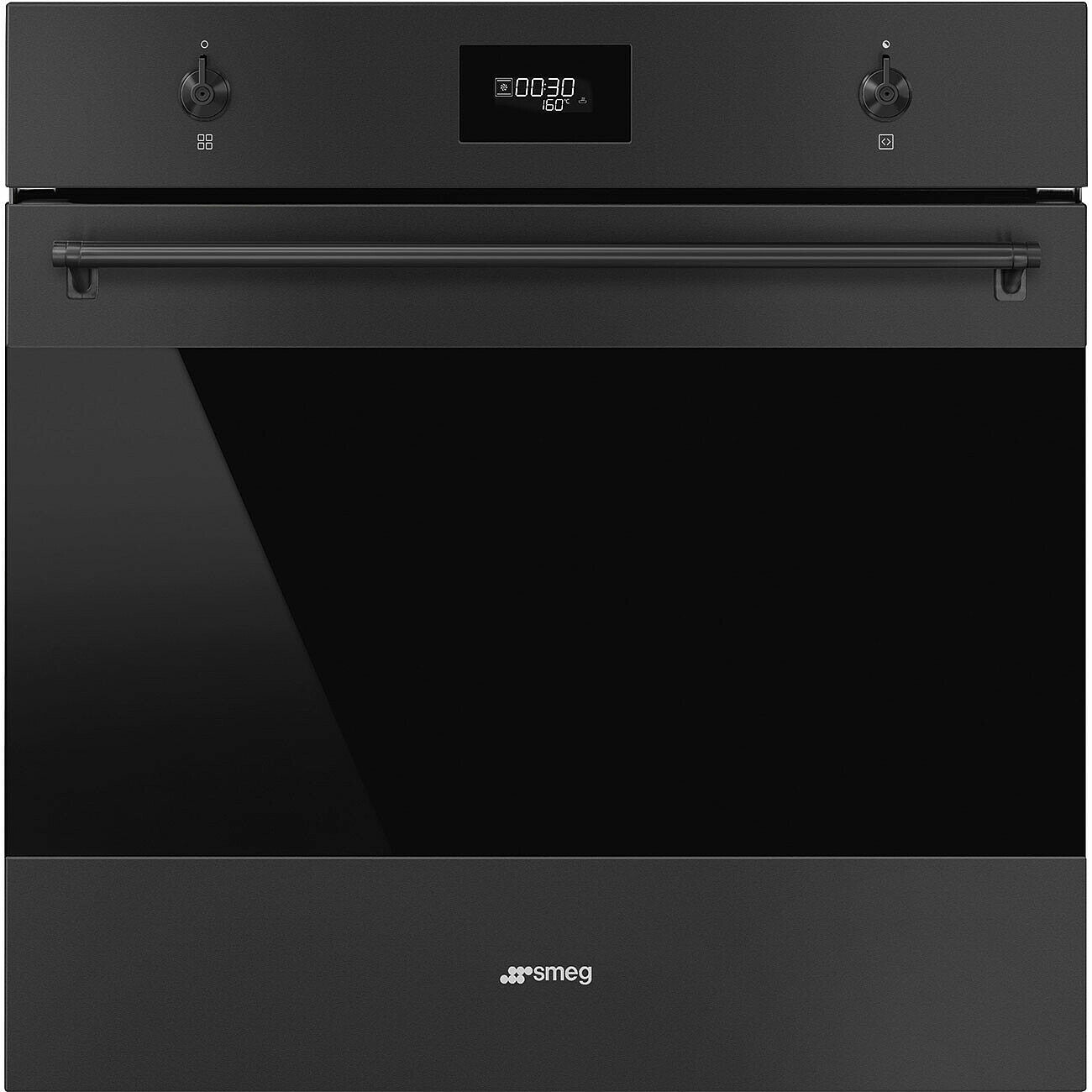
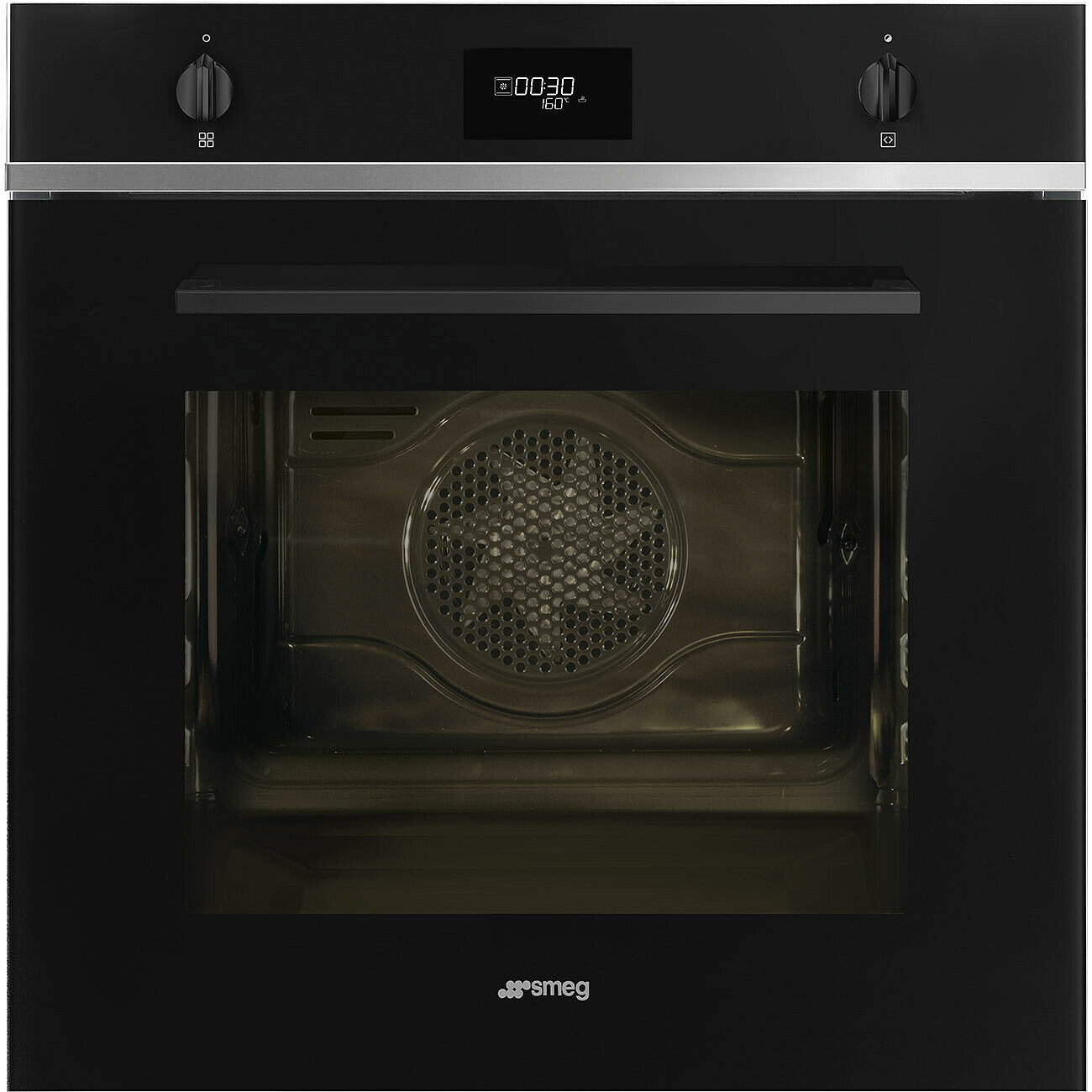
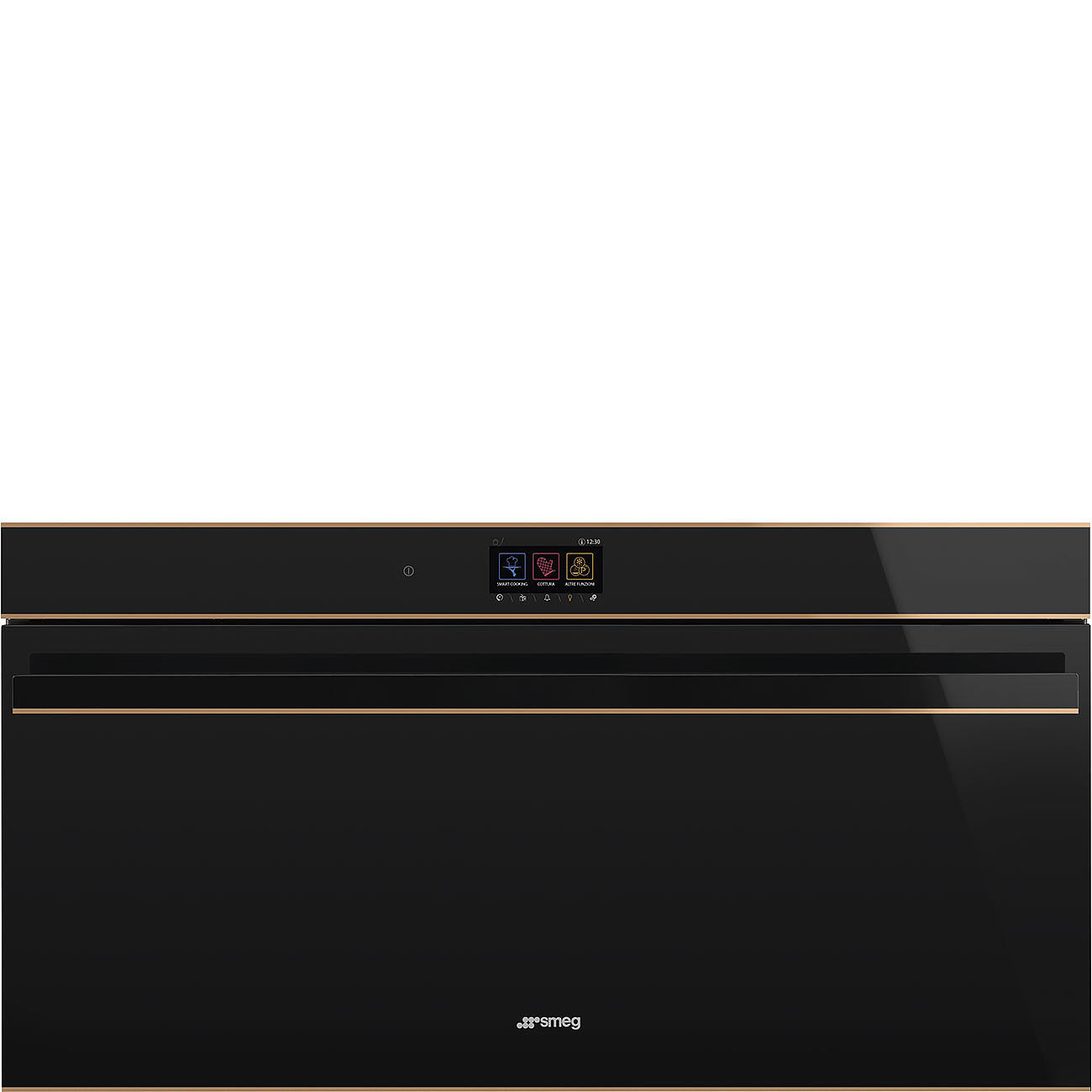
Top Energy Saving Ovens
Energy-Efficient Hobs
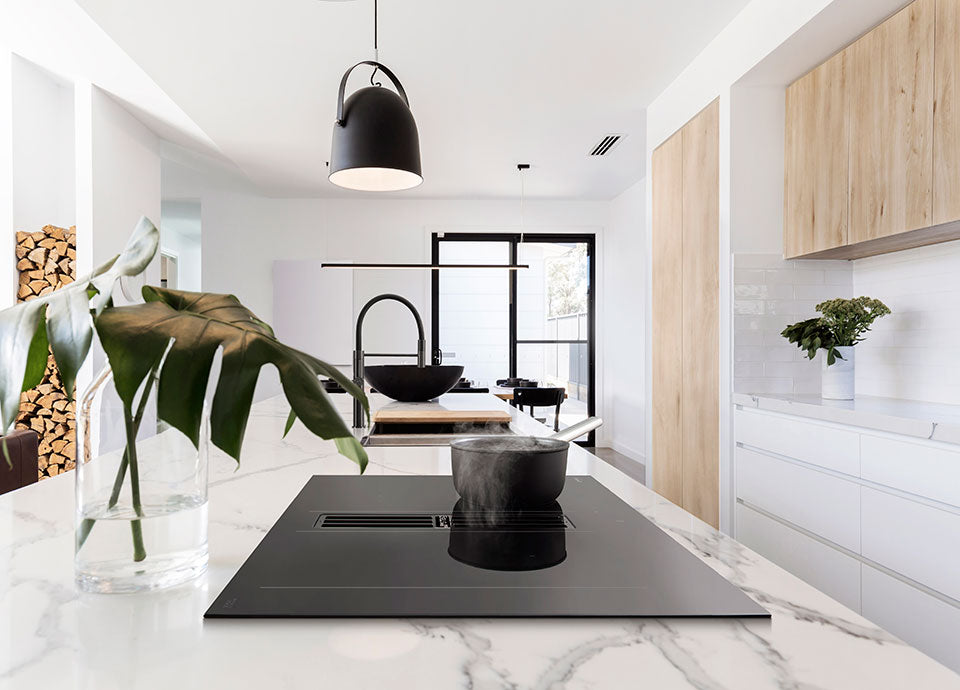
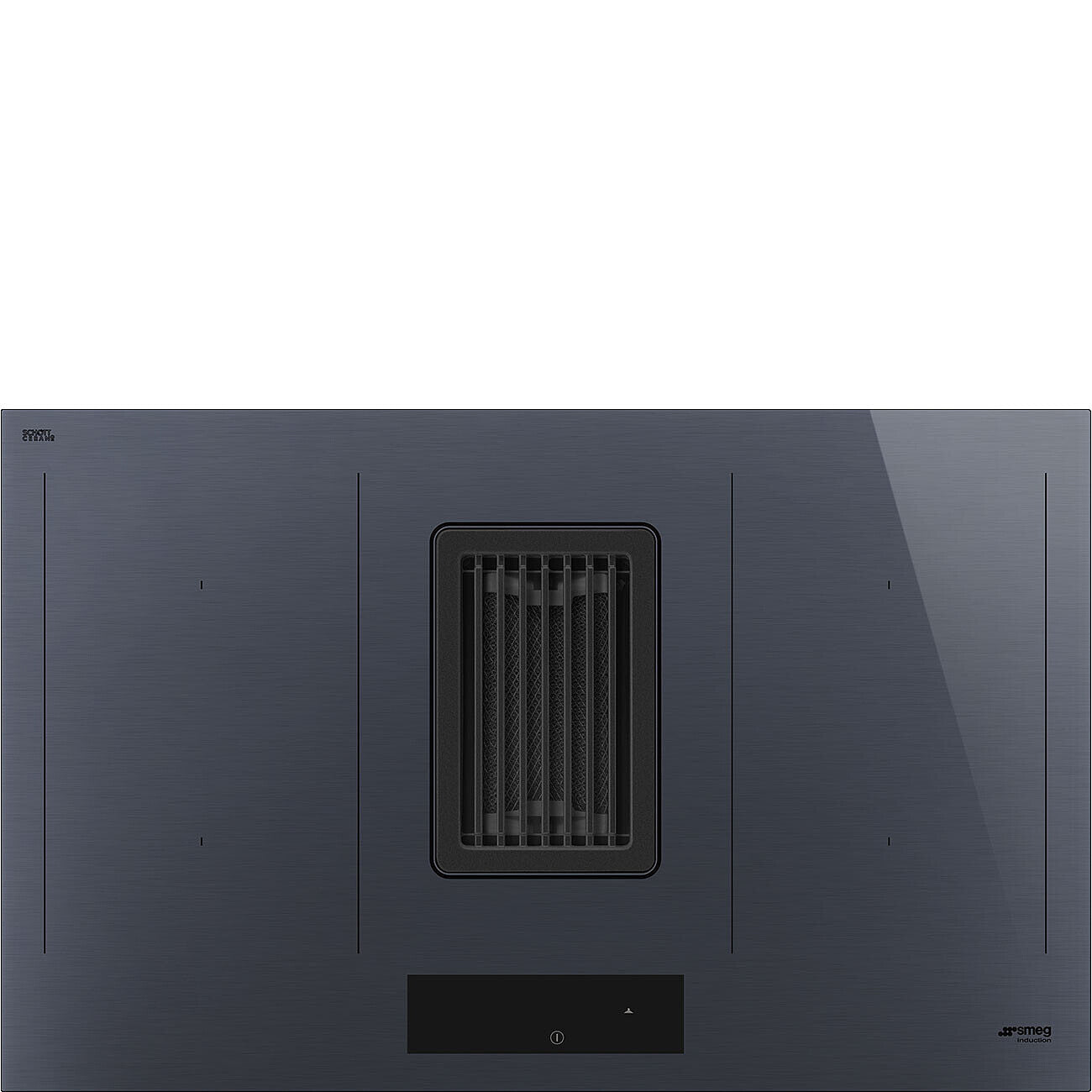
Unlike many other kitchen appliances, hobs do not have energy efficiency ratings. However, the type of hob you choose can affect how efficiently heat is transferred to your cookware. Induction hobs heat the pan directly, rather than heating the surrounding surface first, helping to minimise wasted heat during cooking. Smeg's induction hobs also include features designed to manage energy use, such as ECO-Logic Advanced and ECO-Off.
Is Induction More Energy Efficient Than Gas?
Induction cooking is generally more energy efficient than gas because the heat is generated directly in the cookware rather than using a flame to heat the pan and surrounding area. This can help reduce wasted heat during cooking.
Energy Saving Features
ECO-Logic Advanced
The ECO Logic advanced function restricts the power limit of your SMEG Induction Hob to your specification, allowing you to benefit from energy savings. Available on selected SMEG Induction Hobs.
ECO-Off
The ECO Off function shuts down a cooking zone just before the hob's timer sounds, leveraging otherwise wasted residual heat to finish cooking. Available on selected SMEG Induction Hobs.
Top Energy Saving Hobs


Energy-Efficient Hoods
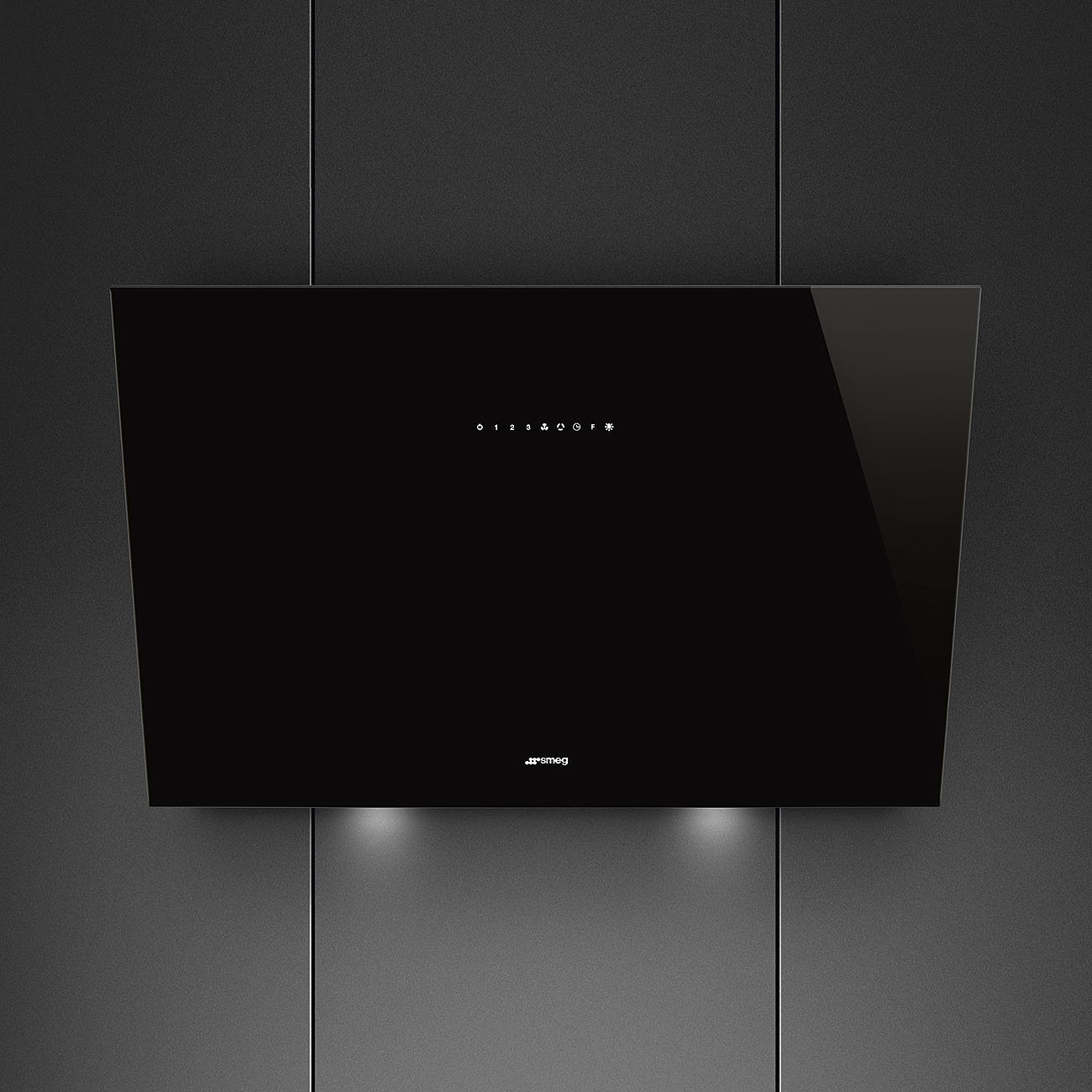
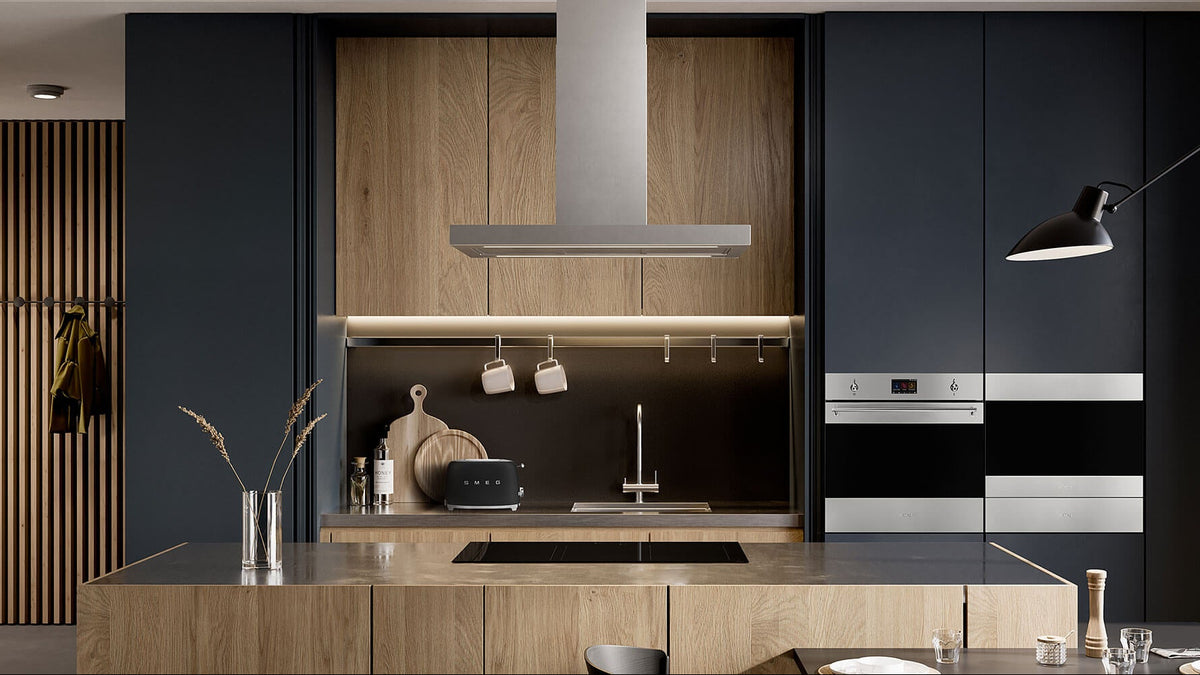
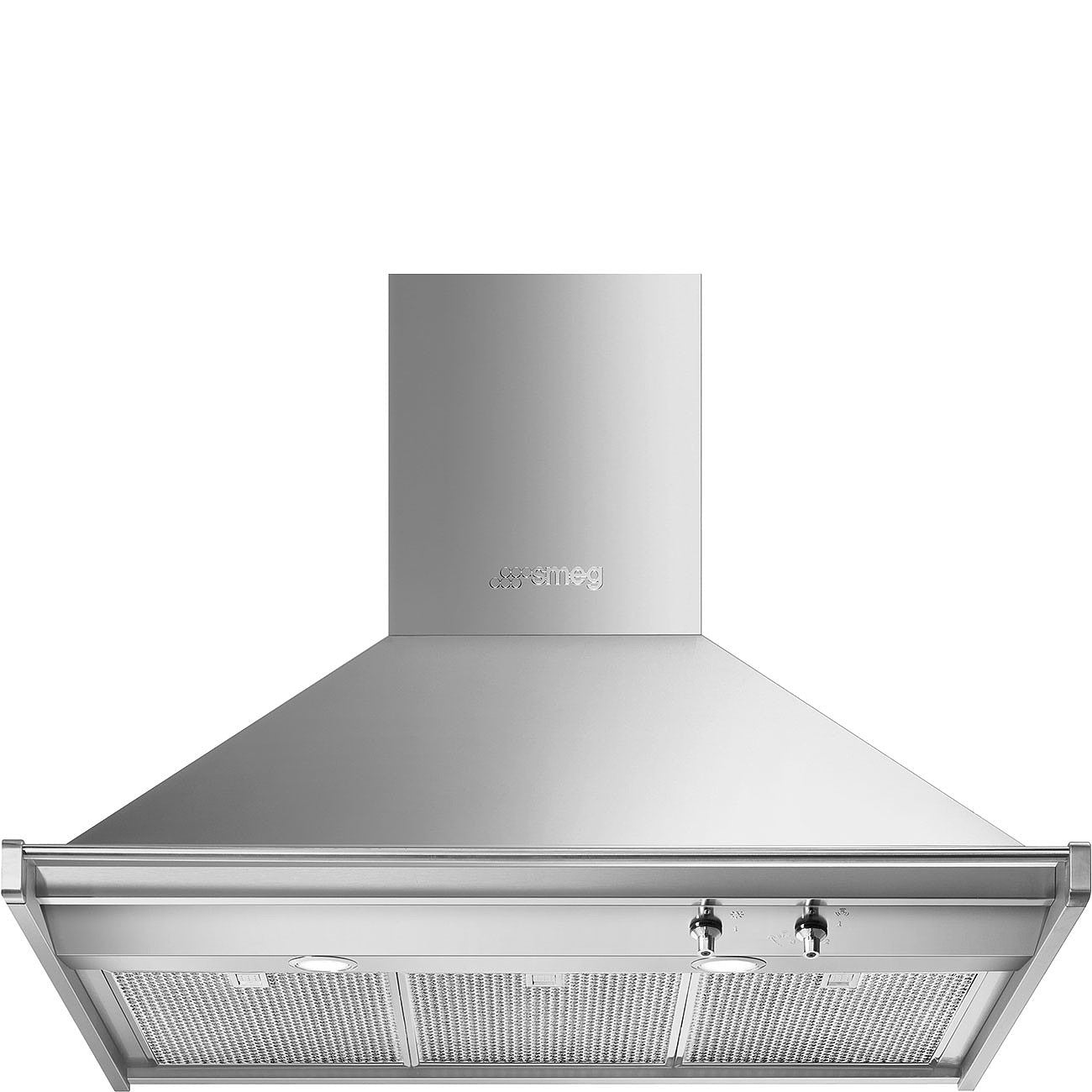
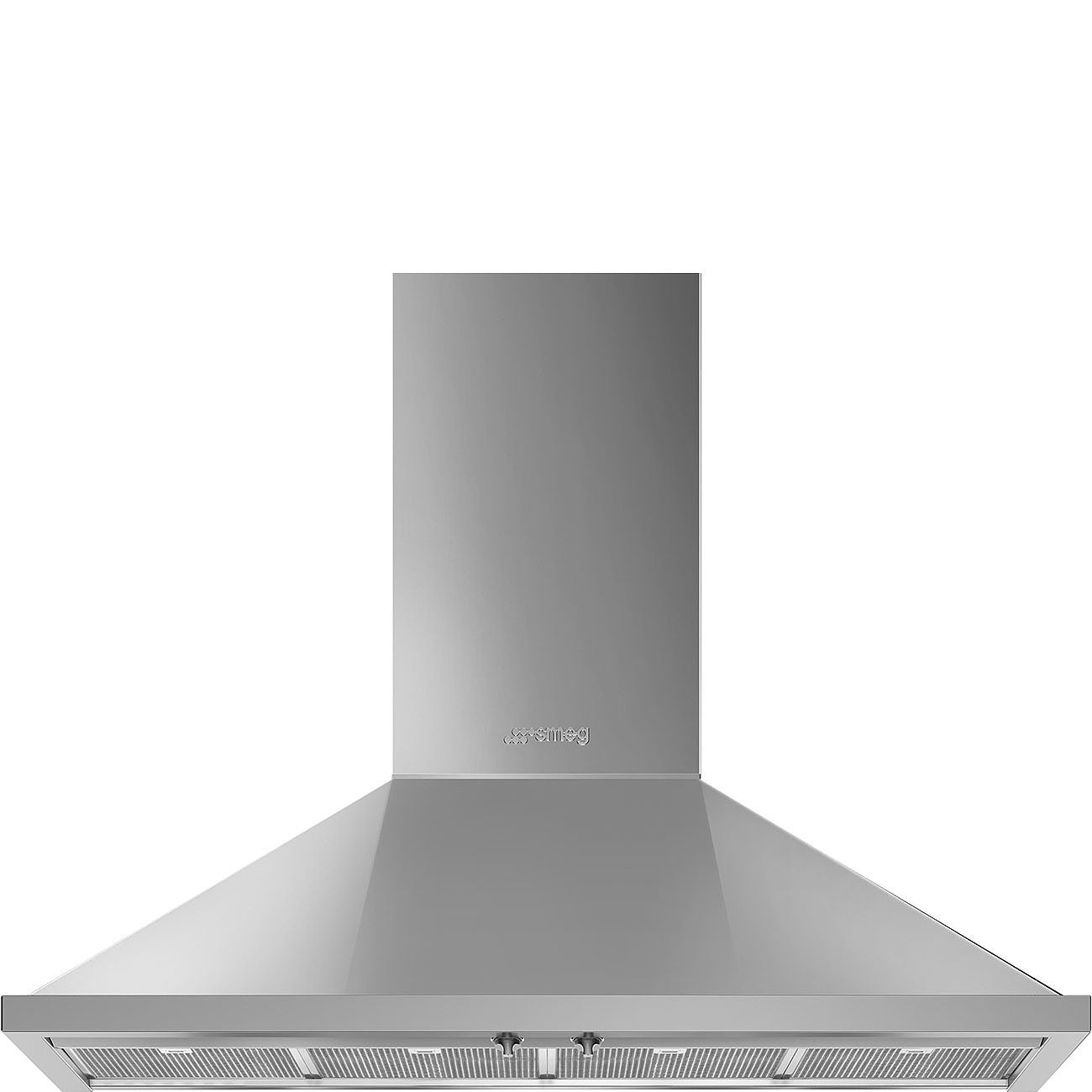
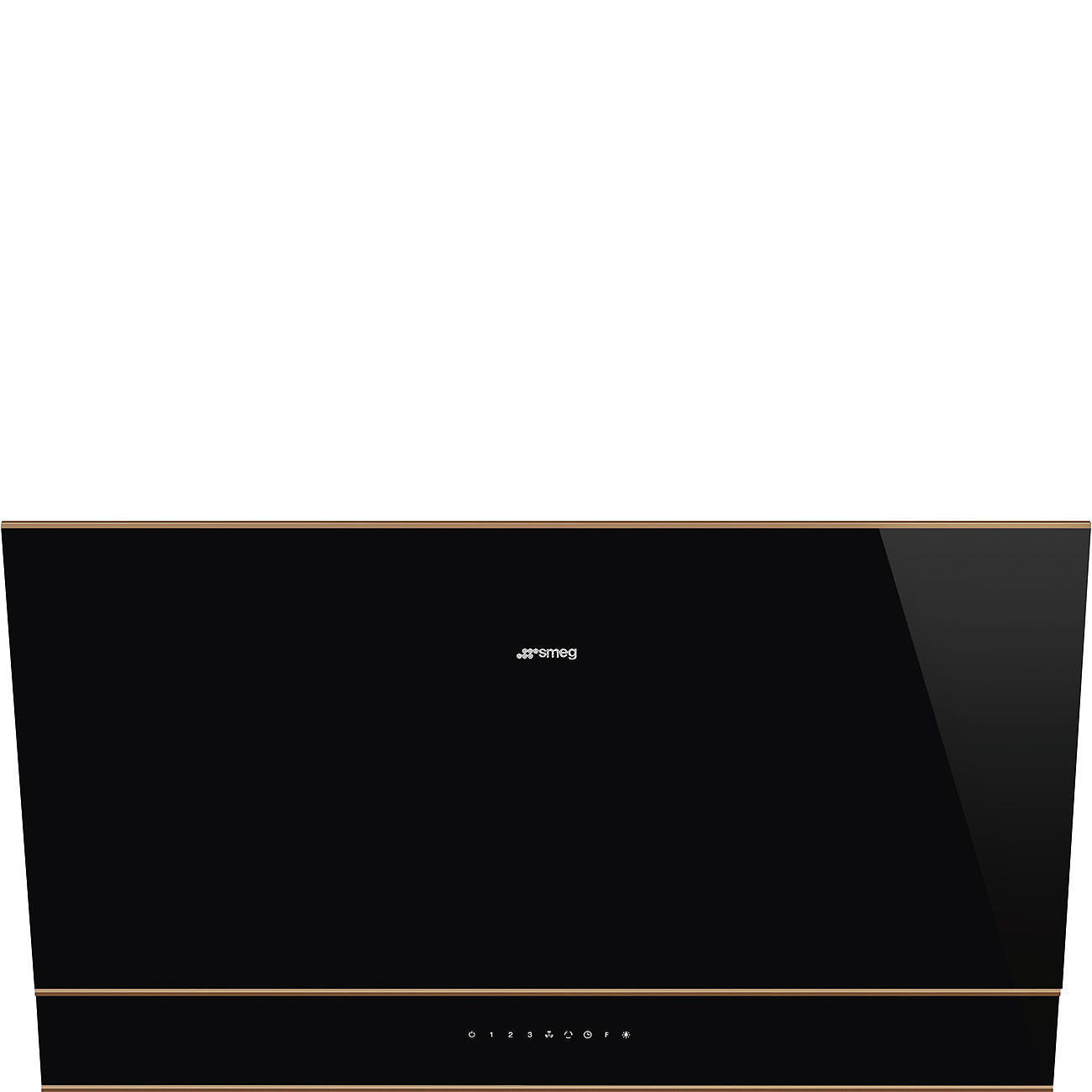
A kitchen hood needs to provide effective extraction while using energy efficiently. Smeg's energy-efficient hoods are designed to remove cooking odours and steam while helping to manage energy consumption.
Energy Saving Features
LED lighting
Long-lasting, highly energy-efficient LED lighting is featured on most SMEG hoods.
Perimeter Extraction
Noise reducing, efficient perimeter extraction panels are available on selected products in the SMEG hood range.
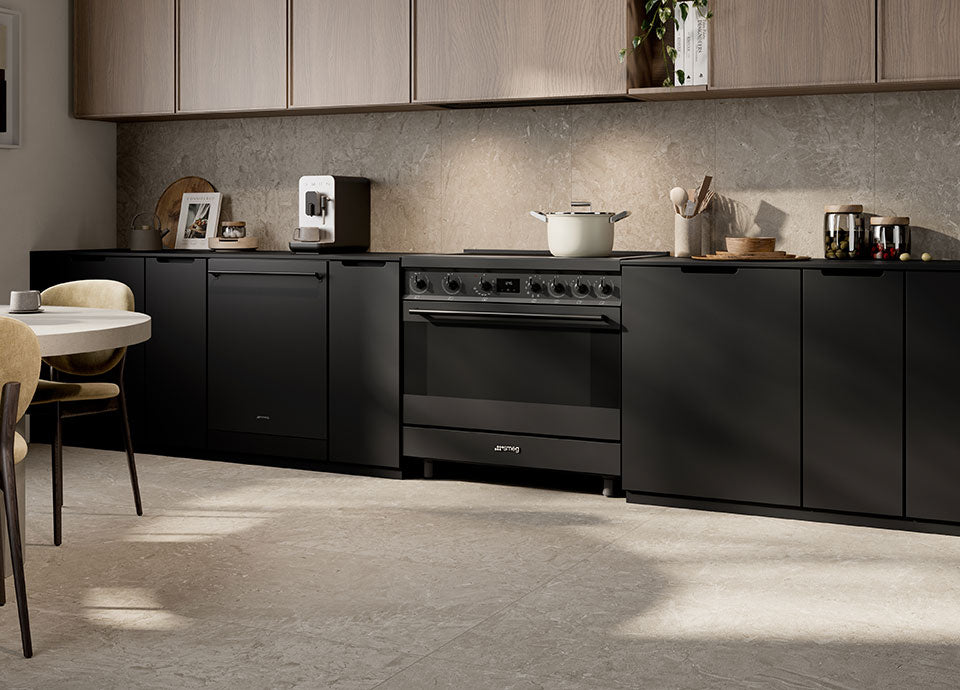
Energy-Efficient Cookers
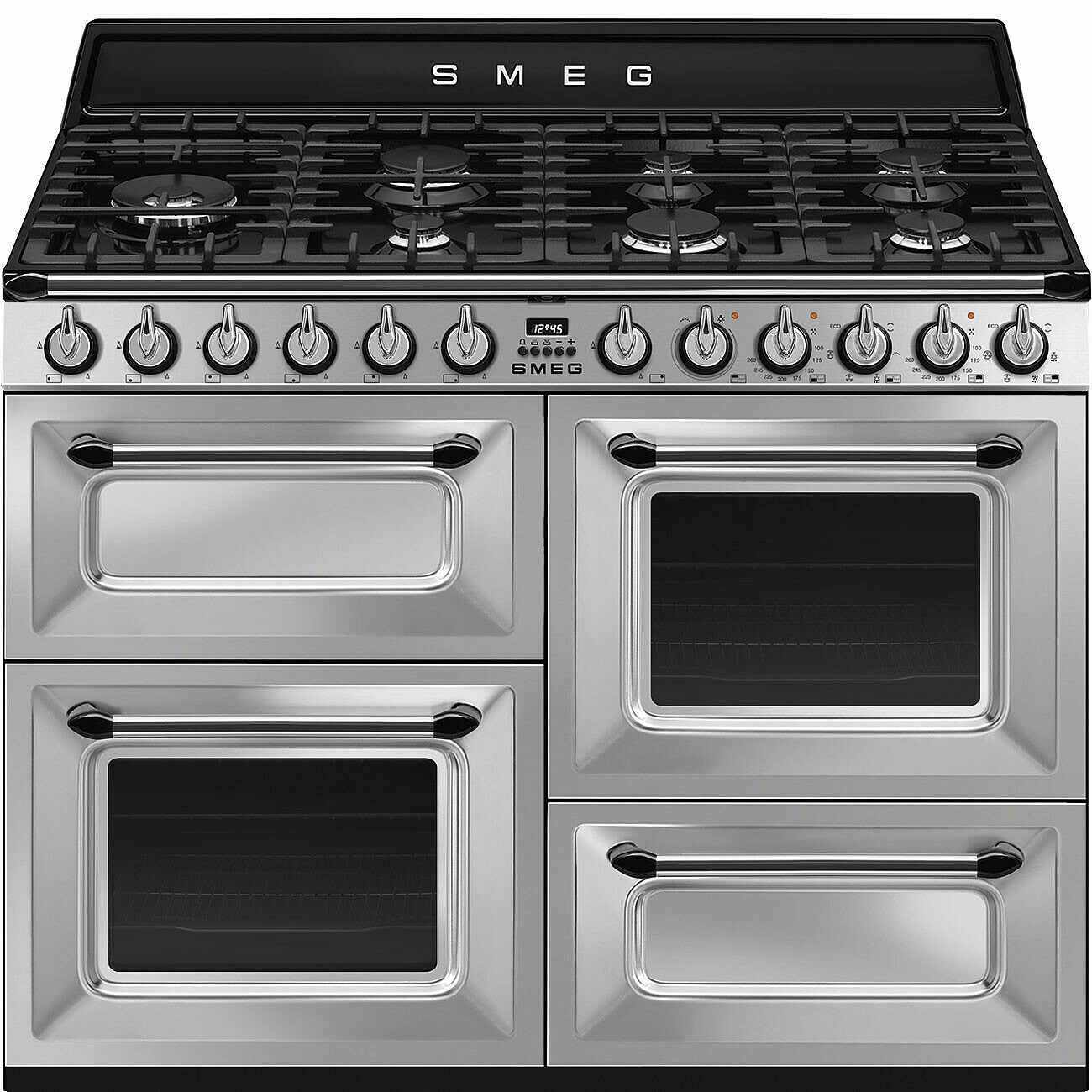
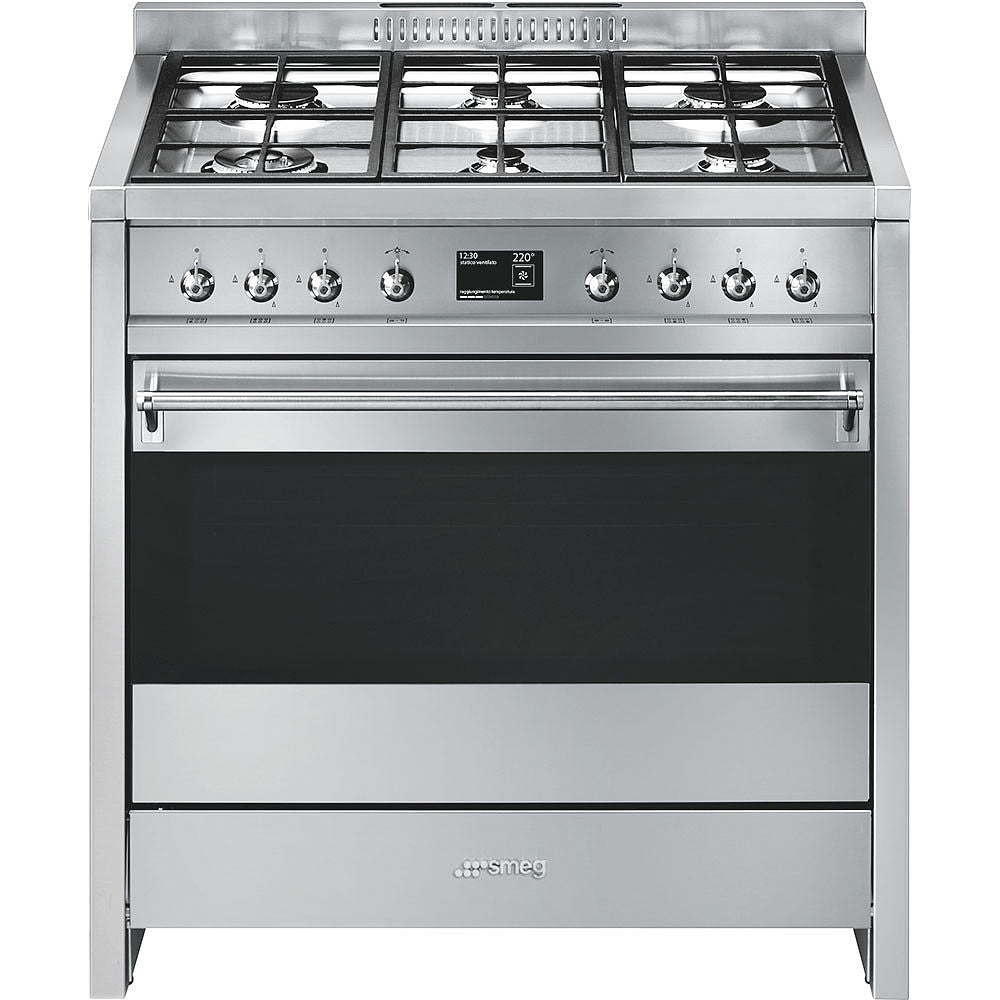
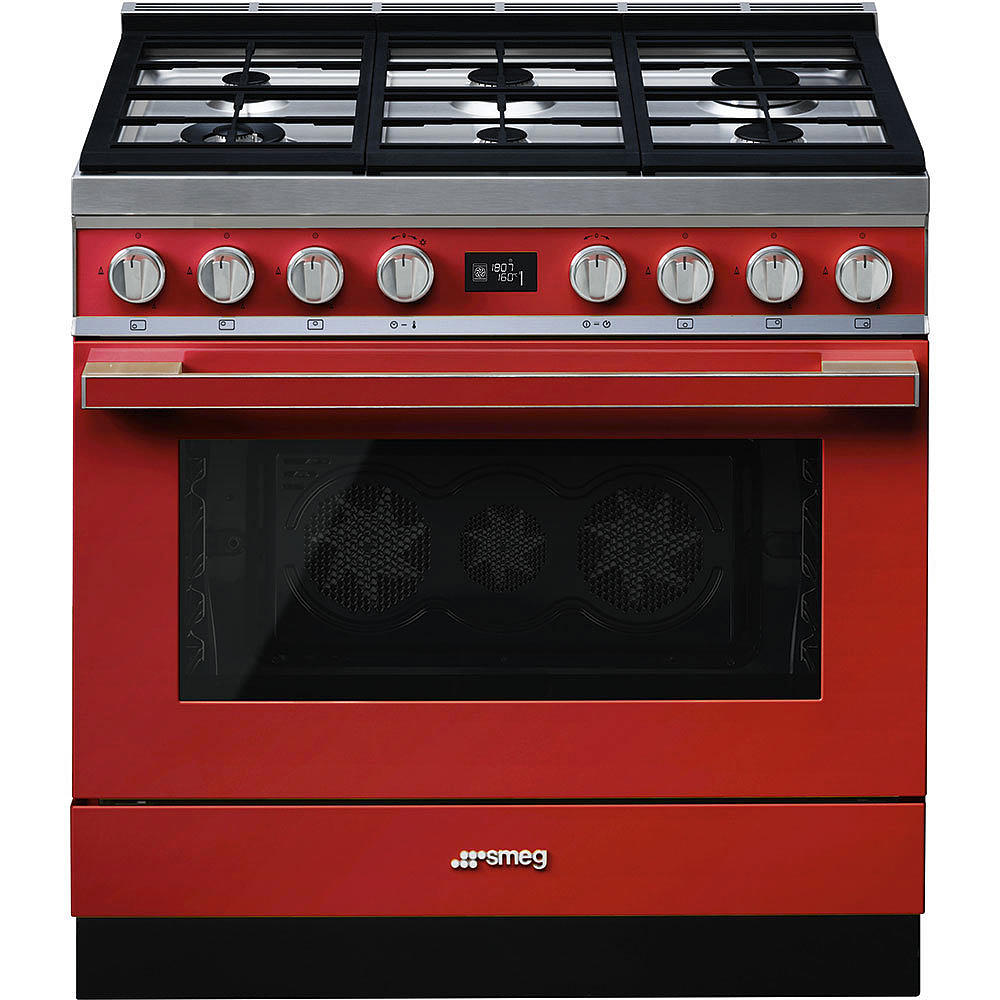
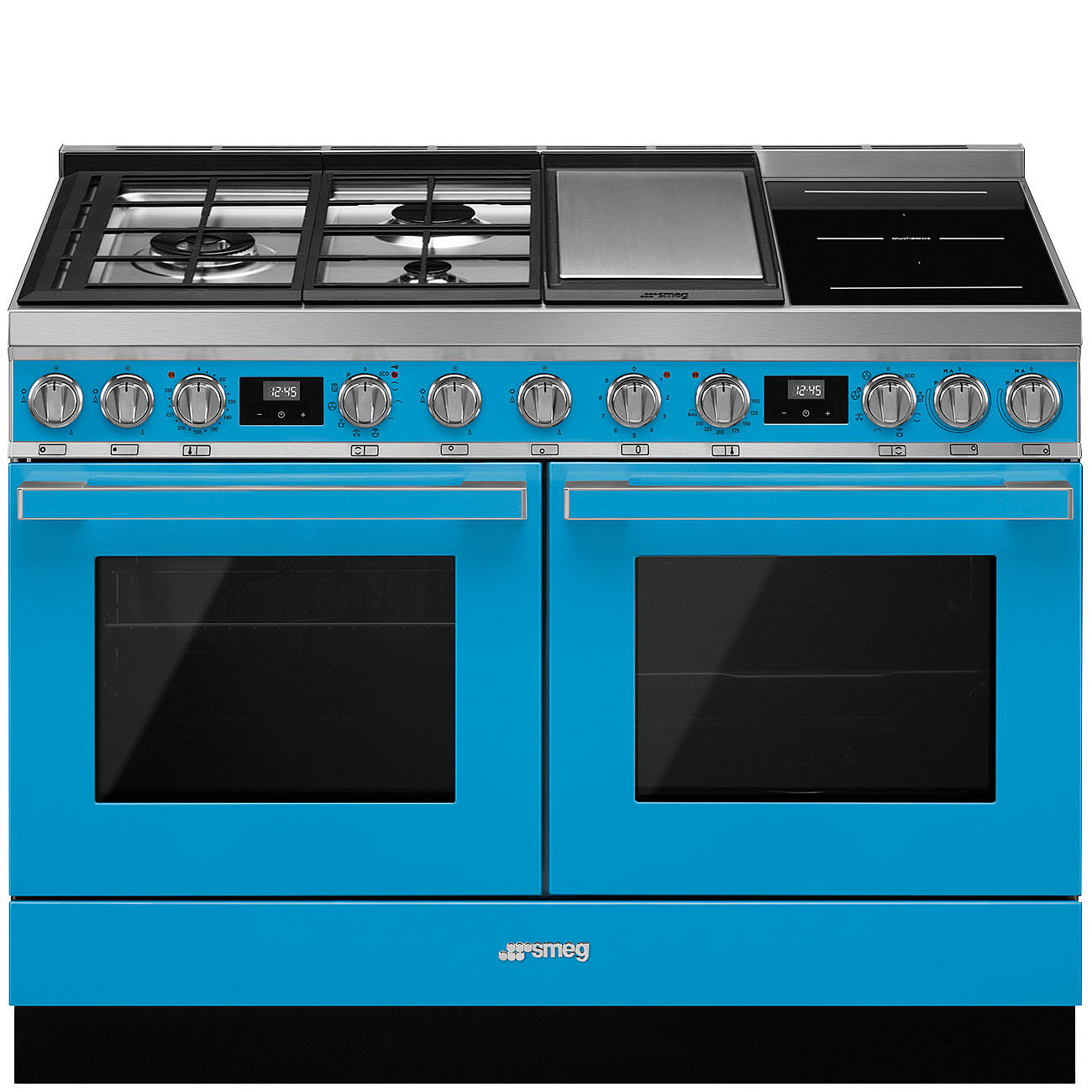
Smeg cookers are all at least A-rated and come with a range of features designed to improve energy efficiency during cooking. ECO functions, multi-glazed oven doors, and closed-door grilling can help reduce heat loss and energy consumption.
Energy Saving Features
ECO Function
The ECO cooking function, available on all SMEG ovens & cookers, heats up fewer elements in the cavity, resulting in slower but more energy efficient heating that requires less electricity.
Closed Door Grilling
Did you know that up to 50 % of heat is lost by grilling with the oven door open? With SMEG ovens & cookers, you can grill with the door closed, reducing energy consumption.
Multi Glazed Doors
The more layers your oven door has, the more heat is kept inside, and the less energy is wasted. Most SMEG ovens doors have 3 or 4 layers of thermally insulating glazing.
Top Energy Saving Range Cookers
Energy-Efficient Fridge Freezers
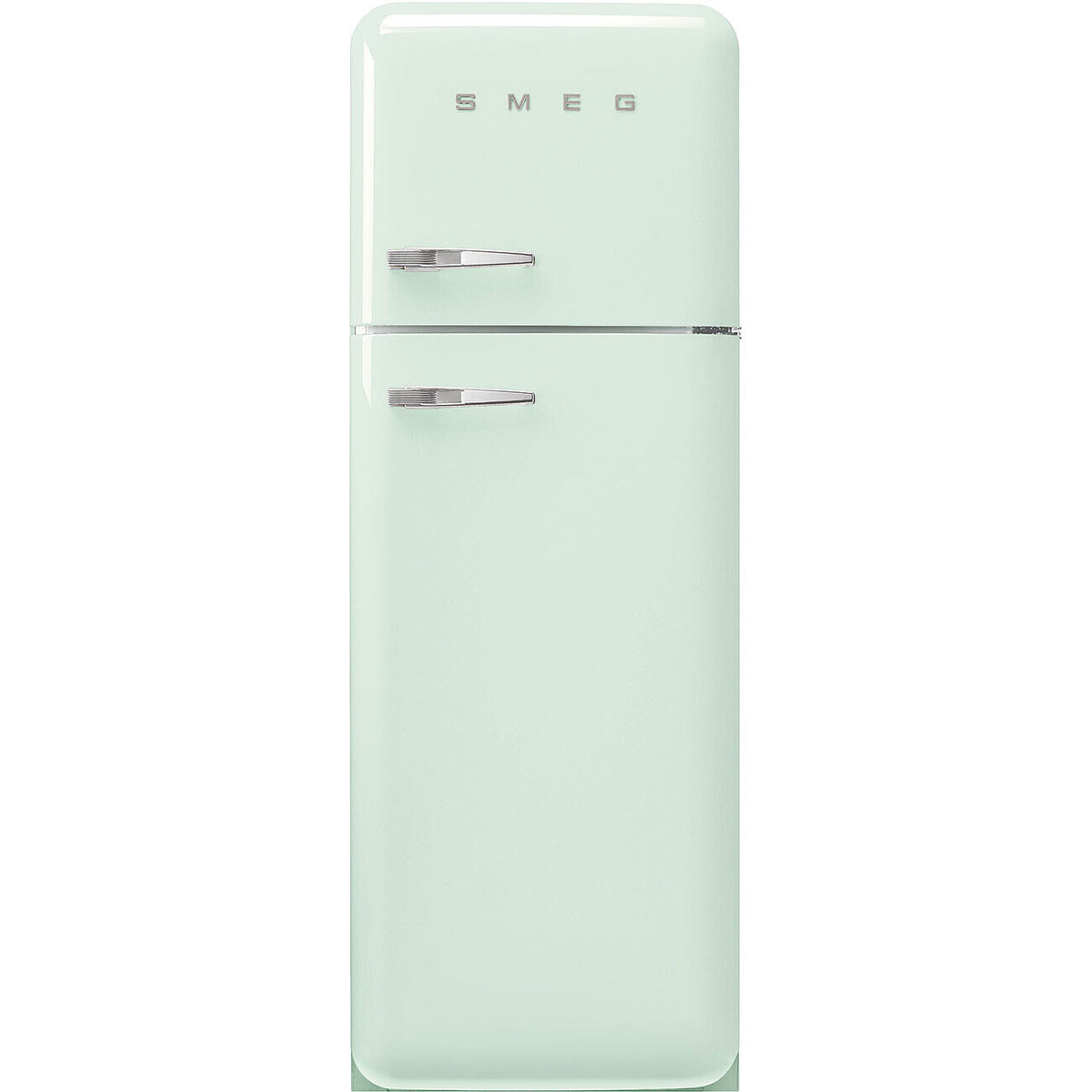
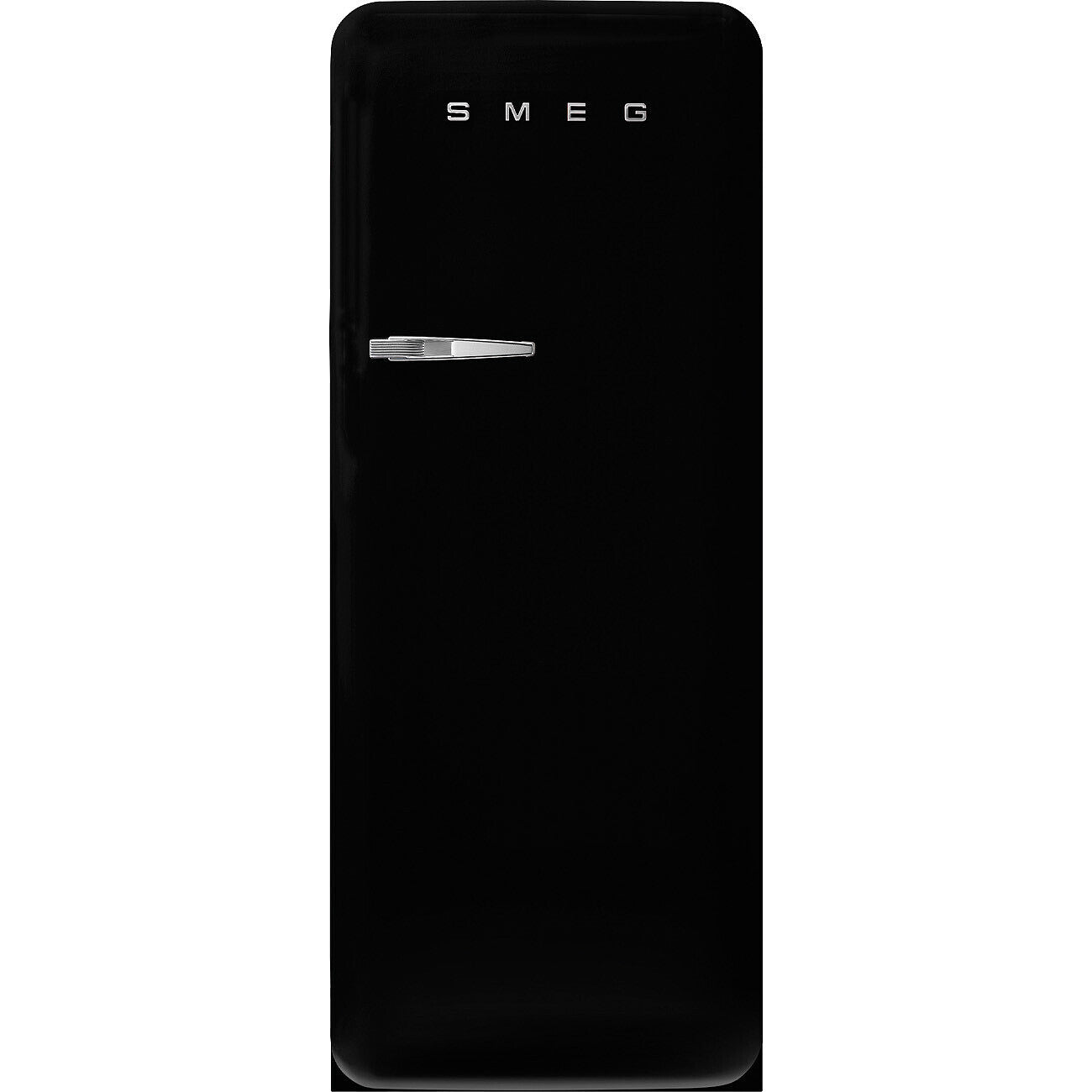
Most Smeg cooling appliances were previously awarded the top A+++ energy rating, but many now carry a D rating following the new energy labels. This does not mean they have become less efficient.
Energy Saving Features
No Frost
When frost builds up, the freezer has to work harder, using more energy, to stay cold. No-frost technology prevents icy build-ups, improving the energy efficiency of the appliance. Available on selected products in the SMEG cooling range.
Holiday Mode
Holiday mode, available on some of our Fridge Freezers, switches off the fridge but keeps the freezer cold, reducing the appliance's energy usage.
Door Open Alarm
Many of the products in our cooling range are fitted with an audible and/or visual alarm which activates if doors are accidentally left open, helping to maintain the temperature inside the appliance and prevent energy wastage.
Top Energy Saving Fridge Freezers

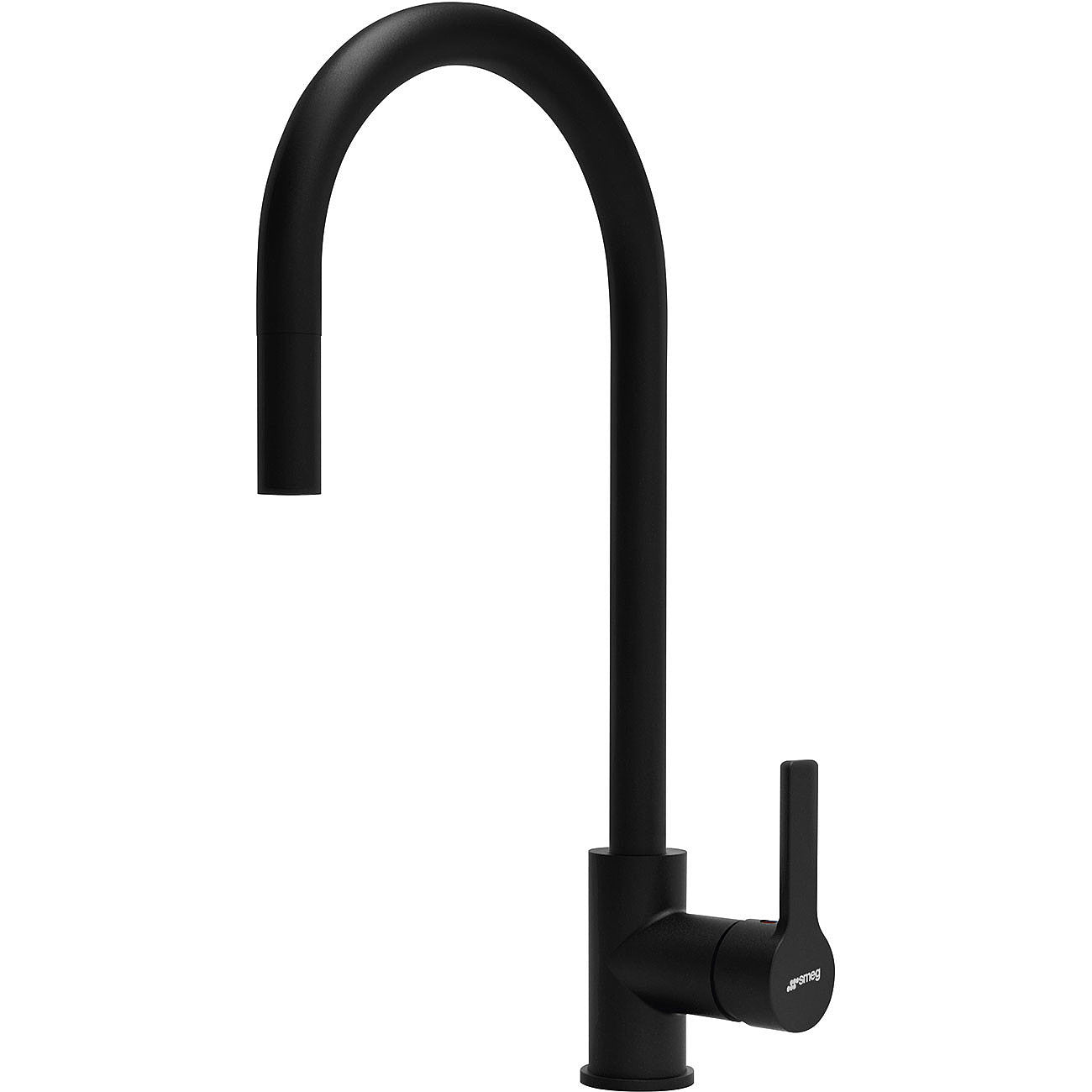
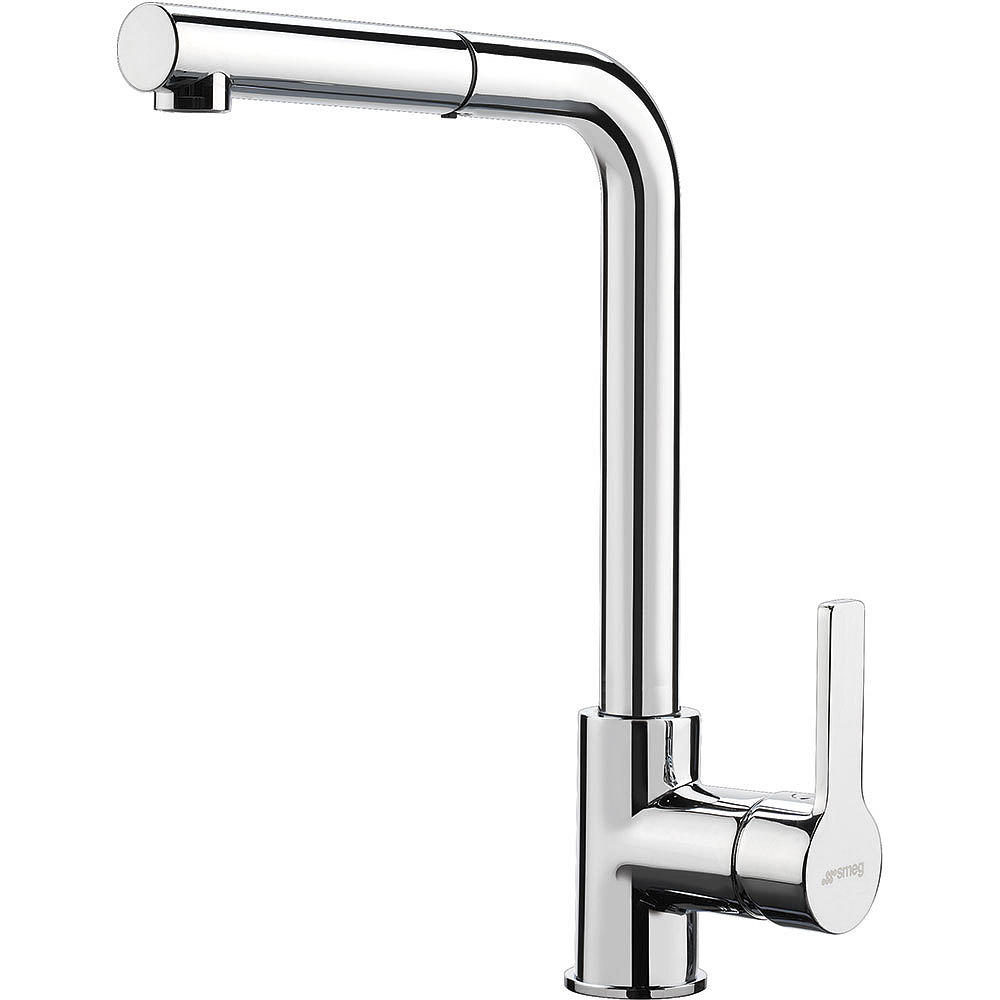
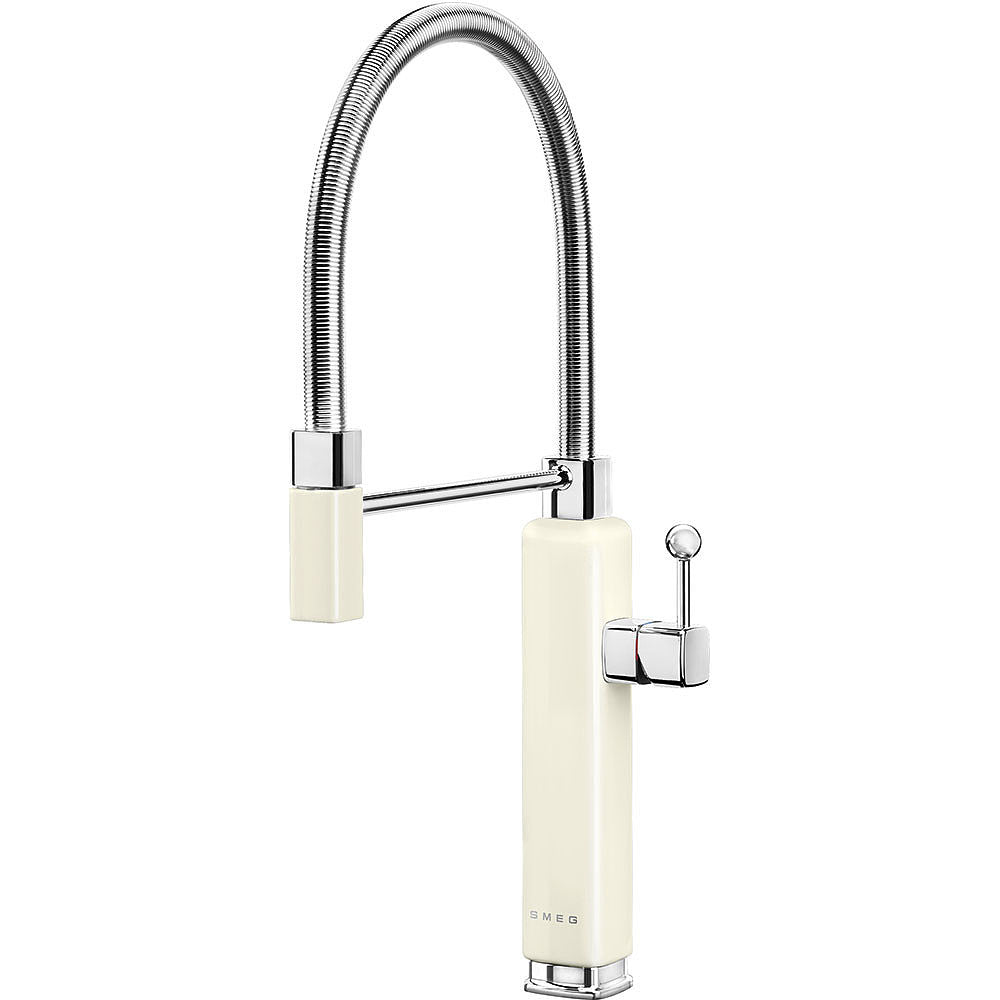
Energy-Saving Taps
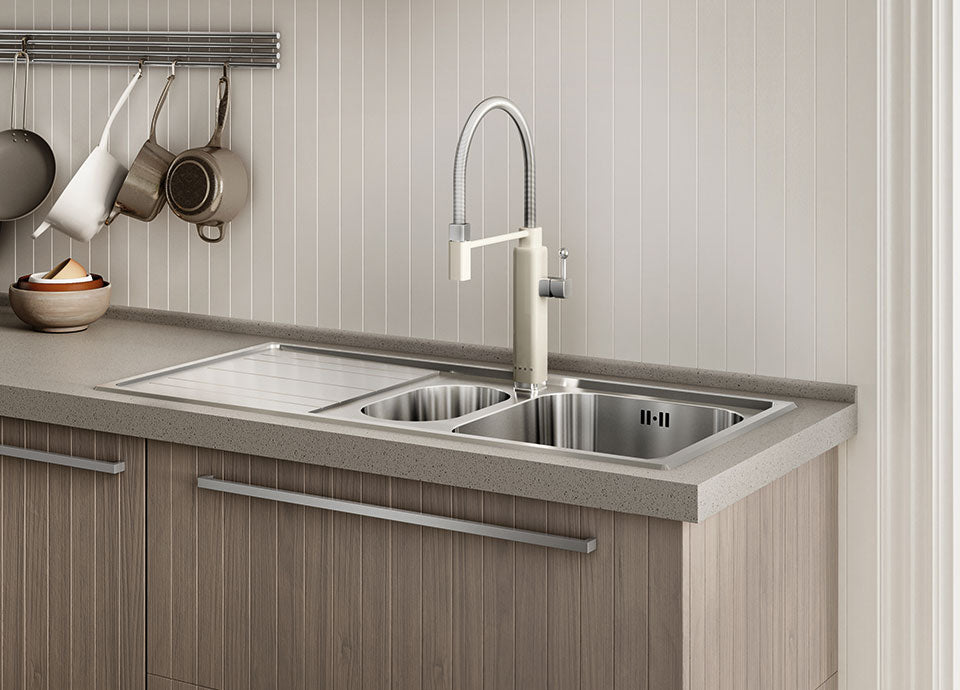
Taps don't have A-G energy ratings, but they can still play a role in reducing the energy used to heat water. Smeg offers features designed to help control both water and hot-water use.
Energy Saving Features
Aerator
A tap fitted with an aerator dispenses just 6 L of water / min — 9 L less than taps without and could save you around £25 / year*².
Energy-saving Cartridge
The control lever in the middle of an ESC-equipped tap dispenses only cold water, rather than 50 % hot and 50 % cold. As a result, the boiler is not used, saving energy. Simply turn the lever to the left to get hot water. Available on selected SMEG Taps.
Water-saving Cartridge
Taps with a WSC reduce water consumption by 50%, providing enough water for cooking and cleaning. Available on selected SMEG Taps.
Top Energy Saving Tap

SMEG's To Tips for Making Savings in the Kitchen
1. Turn the Switch Off
Leaving household appliances on standby can cost around £55 / year*². Save by switching them off at the mains when not in use.
2. Time for an Upgrade
If you've had your appliance for over 10 years, chances are it's not very energy efficient. Consider upgrading to a newer, better performing model. Upgrade to one of our Iconic SMEG appliances, from small appliances to built-in appliances- find out that suits your kitchen.
3. Turn Down the Temperature
Washing your clothes at a lower temperature of 30 ° and doing one run per week less / year, can save around £28 / year*² on your energy bill. Check out our Washing range to find one that suits your needs.
4. Appliance Size Matters
It’s no surprise that the bigger your appliance, the more electricity it uses. A smaller fridge will use less energy than a larger one, even if it has the same energy rating, so choose what’s suitable for your needs. Explore our Fridge Freezer range to find one that is best for you.
5. Use what you need
We all love a cuppa, but many of us tend to overfill our kettles which can add around £11 / year*² to your electricity bill. Try a SMEG Mini Kettle with a smaller 800 mL capacity to help keep costs down.
SMEG's Sustainability Project Executive Summary
SMEG's new group sustainability report Executive Summary is now available to download.